




Cardiovascular Services

Cardiac Testing

When your doctor orders heart tests, or you are experiencing symptoms that concern you, getting accurate answers quickly matters. At Richmond Heart and Vascular Associates, our cardiac testing program covers the full range of diagnostic services used to evaluate heart health. These tests are non-invasive, meaning no surgery and no hospital stay. Most are completed during a single office visit.

Diagnostic Testing​

Cardiac Testing Overview

Whether you have been referred for cardiac testing or are coming in with new symptoms, our board-certified cardiologists review every result personally and help you understand what they mean for your health.

our testing services

Tests We Offer

AFib does not feel the same for everyone. Some people experience symptoms that are hard to ignore. Others discover they have the condition during a routine exam or EKG and had no idea anything was wrong.

Tests We Offer

Electrocardiogram (EKG/ECG)

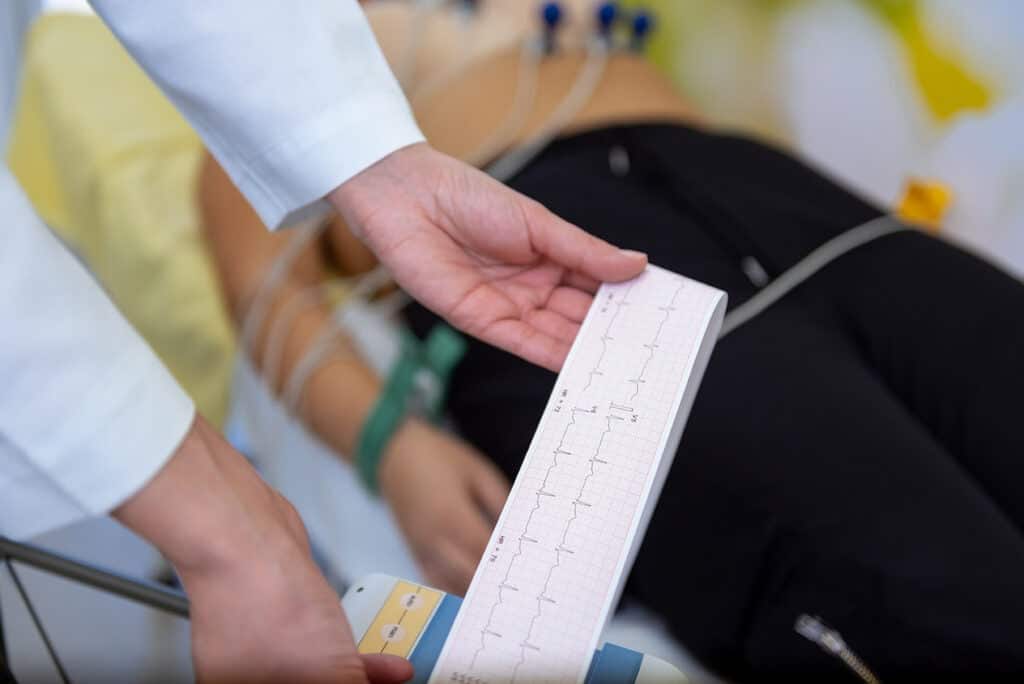
An electrocardiogram records the electrical signals that travel through your heart with each beat. It is one of the fastest ways to check whether your heart is beating in a normal rhythm, and it is often the first test ordered when a patient reports chest pain, palpitations, or shortness of breath.

Why You Might Need One

Your doctor may order an EKG if you have symptoms like chest discomfort, dizziness, fatigue, or an irregular heartbeat. It is also used to check how a pacemaker is functioning, or to see whether a previous heart attack has occurred.

Tests We Offer

Echocardiogram (Echo)​

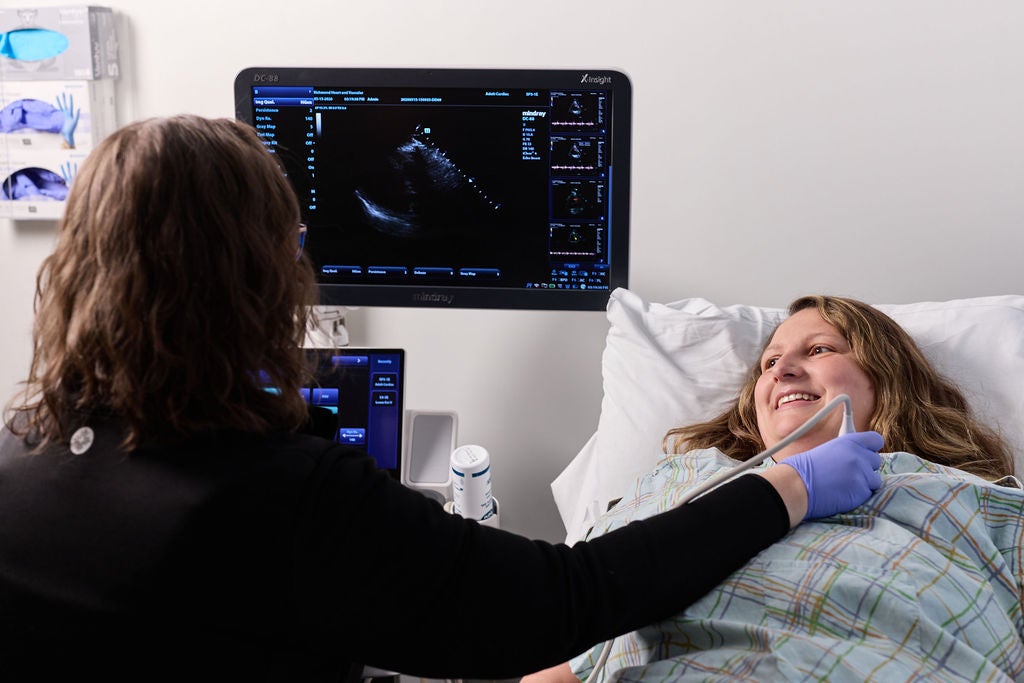
An echocardiogram uses high-frequency sound waves to create a moving image of your heart. It shows how well your heart muscle is contracting, how your valves are opening and closing, and whether any structural changes are present. When performed with Doppler imaging, it can also measure blood flow through the heart.

Why You Might Need One

An echo is used to diagnose conditions like heart failure, valve disease, cardiomyopathy, and fluid around the heart. It is also used to monitor known conditions over time and assess how well treatment is working.

Sonographer performing a diagnostic ultrasound scan on a smiling patient's neck in a clinic setting for Patient Resources
Tests We Offer

Nuclear Stress Testing

Nuclear stress testing adds imaging to a standard stress test. A small radioactive tracer is injected, and specialized cameras capture blood flow to the heart at rest and under stress, showing which areas are receiving adequate circulation.

Why You Might Need One

Recommended when a standard stress test is inconclusive or more detailed flow information is needed. It can detect significant coronary blockages and identify heart muscle damaged by a prior heart attack.

Cardiac nurse speaking with a female patient resting in an examination chair during a consultation for Cardiac Testing
Tests We Offer

Advanced Lipid Testing

Standard cholesterol panels do not tell the full story for every patient. Advanced lipid testing measures the number and size of LDL particles in your blood, which can be a more precise indicator of cardiovascular risk for patients with diabetes, insulin resistance, or a history of heart disease.

Why You Might Need One

If your standard LDL cholesterol is within range but you continue to have cardiovascular events or disease progression, advanced lipid testing can help identify hidden risk factors and guide treatment decisions.

Laboratory technician holding a sample test tube above a medical centrifuge machine for Cardiac Testing
Tests We Offer

Stress Testing

A stress test shows how your heart responds when it is working harder than usual. It is one of the most useful tools for detecting coronary artery disease and identifying whether reduced blood flow is causing your symptoms.

Exercise stress test: You walk on a treadmill while your heart rate, blood pressure, and rhythm are monitored.

Pharmacologic stress test: If exercise is not an option, medication replicates the effect of exertion and provides the same diagnostic information.

Why You Might Need One

Stress testing is used to investigate symptoms like chest tightness, shortness of breath, or lightheadedness during activity. It is also used after a cardiac procedure to check that circulation has improved.

Cardiologist supervising a male patient undergoing an exercise stress test on a treadmill for Cardiac Testing
Tests We Offer

Holter Monitor and Event Monitor

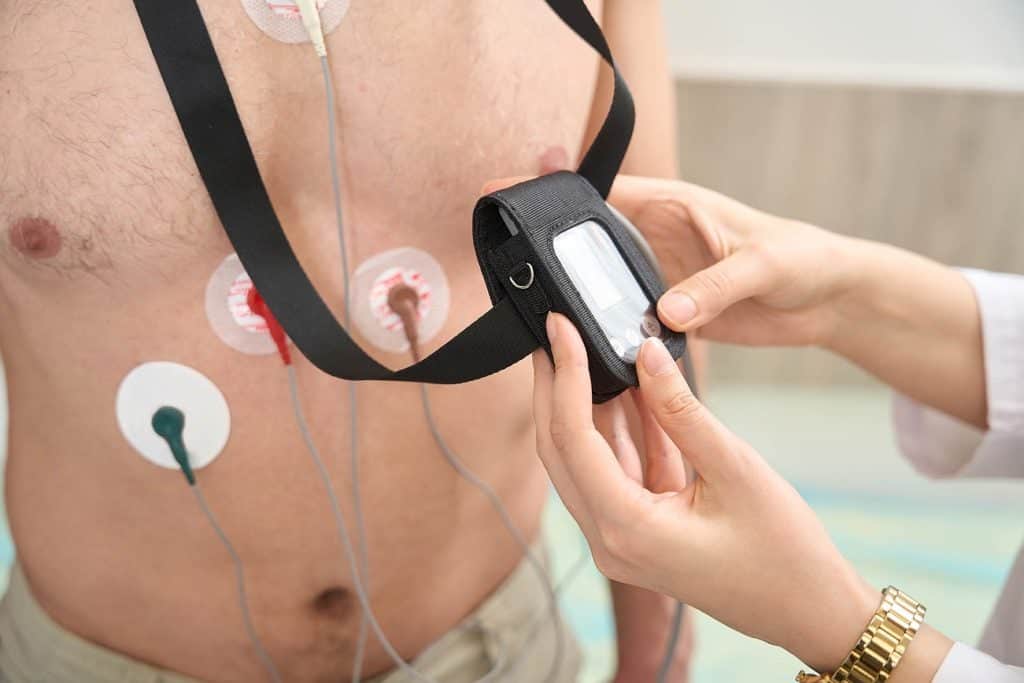
These are portable heart monitors worn outside the clinic to capture your heart rhythm during daily life. They are used when symptoms come and go and are unlikely to occur during a short office visit.

Holter monitor: Records continuously for 24 to 48 hours during normal activities.

Event monitor: Records over an extended period of time, triggered by symptoms or manual activation. Useful for capturing infrequent rhythm events.

Why You Might Need One

If you experience palpitations, unexplained dizziness, fainting, or a racing heartbeat, heart monitoring captures the rhythm at the exact moment symptoms occur so your cardiologist can identify the cause.

Healthcare provider attaching a Holter ambulatory cardiac monitor with lead electrodes onto a patient's chest for Cardiac Testing
Tests We Offer

Vascular Ultrasound

Vascular ultrasound uses sound waves to evaluate blood flow in the arteries and veins outside the heart. These studies help detect narrowing, blockages, or other changes in the blood vessels of the legs, neck, and abdomen.

Why You Might Need One

Vascular ultrasound is used to evaluate symptoms like leg pain or cramping with walking, numbness, or swelling. It is also used to screen for carotid artery disease, which can raise the risk of stroke. Ankle-brachial index (ABI) testing may be performed alongside ultrasound to assess circulation in your legs.

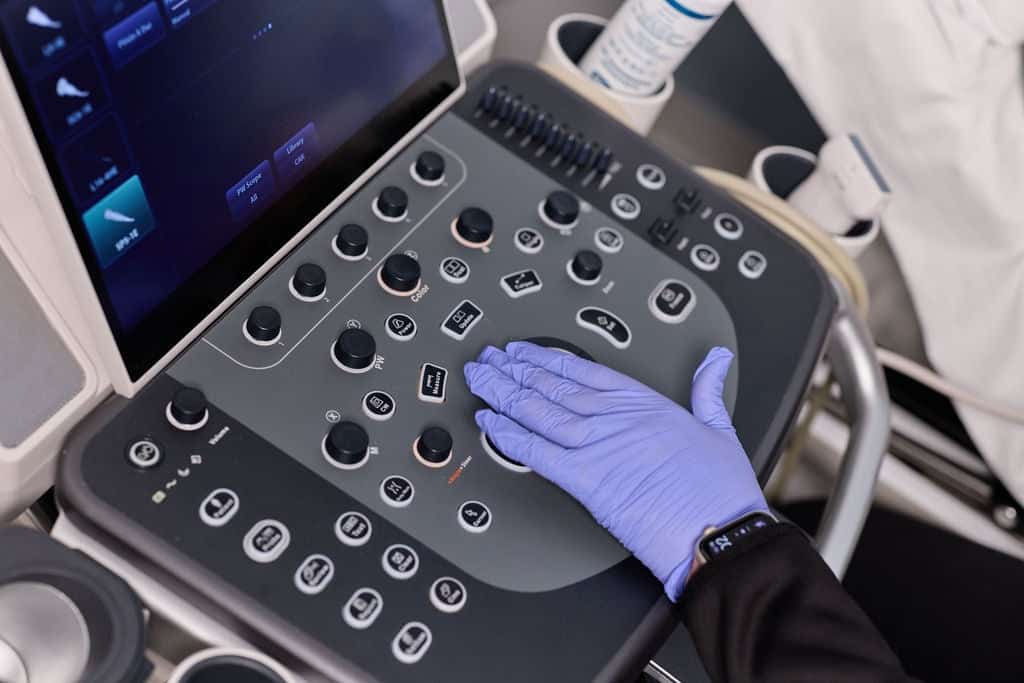
Ultrasound technologist operating the trackball and control panel of a diagnostic ultrasound system for Cardiac Testing
Accredited testing

Accredited Services, Reliable Results

Echocardiography Accreditation

IAC-accredited echocardiography imaging for precise evaluation of heart structure and function.
Nuclear Cardiology Accreditation

IAC-accredited nuclear stress testing and myocardial perfusion imaging.

Vascular Imaging Accreditation

IAC-accredited vascular ultrasound lab for arterial and venous studies.

Richmond Heart and Vascular Associates holds accreditation in echocardiography, nuclear cardiology, and vascular imaging. These accreditations are awarded by independent national organizations and are based on ongoing reviews of image quality, clinical performance, and safety standards. Every test is interpreted by one of our own board-certified cardiologists, not an outside reading service.

Why our patients choose us

Independent Care.
Coordinated from Start to Finish.

We do not outsource interpretation. The physicians reviewing your images know your history and follow up with you directly.

Independent Private Practice

More than 30 years serving Central Virginia as a trusted independent cardiology group.

Full Spectrum of Care

From prevention and testing to complex procedures — all coordinated by the same team.

On-Site Surgery Center

Many procedures completed without a hospital stay at our on-site Ambulatory Surgery Center.

Coordinated, Continuous Care

Your diagnosis and treatment managed by consistent physicians who know your history.

Scroll to Top