
Conditions We Treat
Left Atrial Appendage Occlusion Device (Watchman ™)

Atrial Fibrillation Management
Left Atrial Appendage Occlusion Device
Living with atrial fibrillation means managing more than an irregular heartbeat. One of the most serious concerns for AFib patients is a significantly elevated risk of stroke, and that risk does not always go away with medication alone. For many people, blood thinners help control stroke risk, but they are not a perfect solution for everyone. Some patients cannot tolerate blood thinners due to bleeding complications, fall risk, or other health conditions. Others find it difficult to maintain blood thinner therapy safely over the long term. If this describes your situation, Richmond Heart and Vascular Associates offers left atrial appendage (LAA) occlusion, a catheter-based procedure that addresses the structural source of most AFib-related strokes directly.
What Is the Left Atrial Appendage?
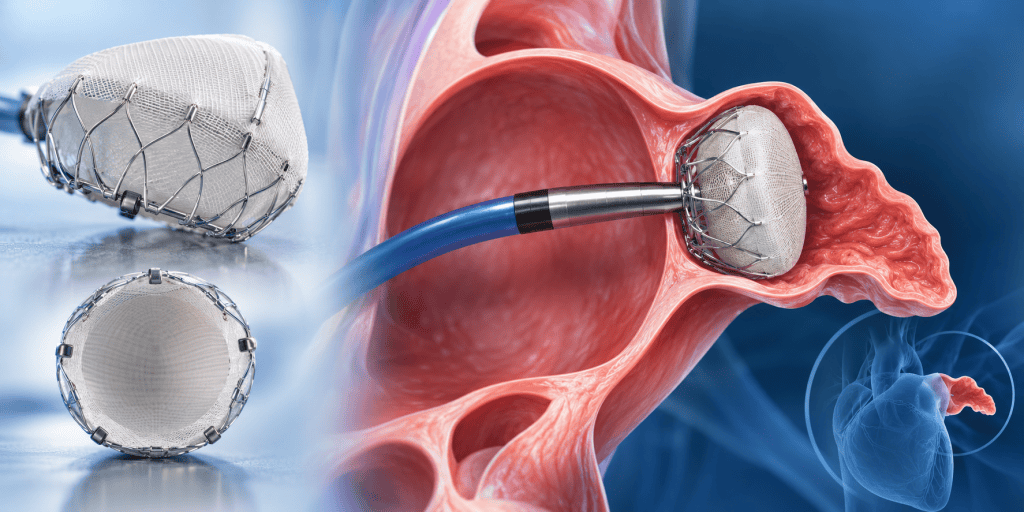
The left atrial appendage is a small, ear-shaped pouch located in the upper left chamber of the heart. In a healthy heart, this pouch contracts rhythmically as part of normal cardiac function. In patients with atrial fibrillation, however, the upper chambers of the heart quiver rather than beat in a coordinated pattern. Because of this irregular rhythm, blood can pool inside the left atrial appendage instead of flowing normally. When blood sits still, it has a tendency to clot. Research has shown that the large majority of stroke-causing clots in AFib patients originate in the left atrial appendage. This means that sealing off that pouch can substantially reduce stroke risk, even for patients who are not able to rely on blood thinners long term.
How an Occlusion Device Works
An LAA closure device is a small, permanent implant delivered directly into the left atrial appendage through a catheter. A thin, flexible tube is guided to the heart through a small puncture near the groin. Once the catheter reaches the left atrial appendage, the occlusion device is deployed and anchored inside the opening of the pouch. Over the following weeks, heart tissue naturally grows over the surface of the device, sealing the appendage completely. Blood can no longer pool inside it, and clots can no longer escape into the bloodstream. Because the procedure addresses the anatomical source of clot risk rather than simply thinning the blood, it offers durable, long-term protection for patients who need an alternative to ongoing medication.
Diagnosis
Who Is a Candidate?
This procedure is designed for patients with atrial fibrillation who have a meaningfully elevated stroke risk. Your cardiologist may use a clinical scoring tool to help evaluate that risk based on factors including age, blood pressure, diabetes history, and whether you have had a prior stroke or TIA. Beyond stroke risk level, most candidates share at least one of the following:
If you have been told that your AFib puts you at significant stroke risk and you have concerns about long-term blood thinner therapy, a consultation with a specialist is a worthwhile step.
They have experienced serious bleeding episodes or carry a condition that increases bleeding risk
They take other medications that make managing blood thinners difficult or unsafe
They have a health history, occupation, or lifestyle that makes long-term blood thinner use impractical
They and their care team have determined that a permanent procedural solution is the right path forward
Treatments
What to Expect
The procedure is minimally invasive and performed under general anesthesia, so you will be comfortably asleep throughout. There is no open surgery and no incisions are made in the chest. A catheter is inserted through a small puncture near the groin and guided to the heart using real-time imaging. Once the device is confirmed to be properly positioned, the catheter is removed. Most patients spend one night in the hospital following the procedure and are able to return to normal activities within a short recovery period.
In the weeks after the procedure, blood thinner therapy is typically continued while heart tissue grows over the device. Your care team will monitor your progress closely and work with you on a plan to reduce or eliminate blood thinner use over time. Recovery guidance is individualized, and your physician will walk you through expectations based on your specific health history.
Why our patients choose us
Why Choose Richmond Heart and Vascular Associates
If you are living with atrial fibrillation and are concerned about stroke risk or the challenges of long-term blood thinner use, our team can help you understand your options clearly. [Schedule an appointment online- GREWAL](#) or call Richmond Heart and Vascular Associates at 804.800.6600. Our office is open Monday through Friday, 8:00am to 5:00pm.
Richmond Heart and Vascular Associates has served Central Virginia for over 30 years, guided by board-certified cardiologists with specialized training in electrophysiology, structural and interventional heart care
Expanded appointment availability across multiple locations allow you to access care when you need it