
Conditions We Treat
Deep Vein Thrombosis and Venous Insufficiency
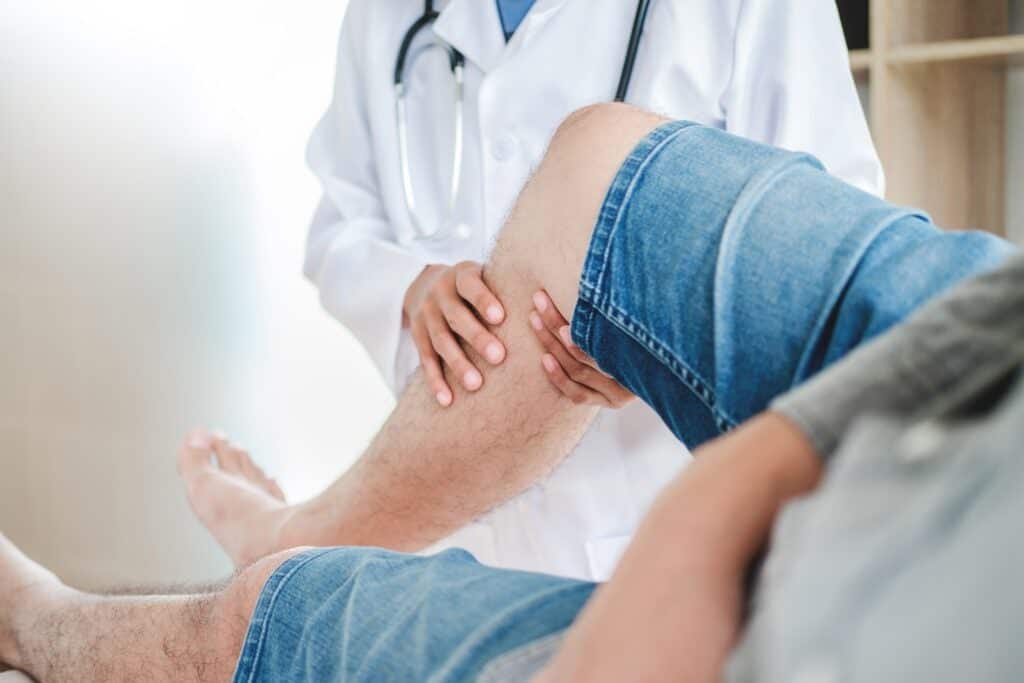
Understanding Your Condition
Common Vascular Conditions Affecting The Legs
If you have noticed warmth and swelling in one leg, calf pain that started after a long flight, or a heaviness that just will not go away, it is worth getting checked. These are not symptoms to wait out. The veins in your legs work hard every day, pushing blood back up toward your heart against gravity, and when something disrupts that process, it can cause problems that range from uncomfortable to serious. Deep vein thrombosis and venous insufficiency are two of the most common vascular conditions affecting the legs, and both respond well to treatment when identified early.
DVT
What Is Deep Vein Thrombosis?
Deep vein thrombosis (DVT) is a blood clot that forms inside one of the deep veins of the leg, most often in the calf or thigh. When a clot develops, it can partially or completely block blood return from the legs toward the heart, causing swelling, pain, and warmth in the affected area.
Serious Risks
The most serious risk of DVT is that the clot can break free and travel through the bloodstream to the lungs, an event called a pulmonary embolism that can be life-threatening. A suspected DVT warrants prompt evaluation rather than a wait-and-see approach.
Contributors
Contributors to DVT risk include prolonged immobility, recent surgery, pregnancy, certain medications, dehydration, and inherited clotting tendencies. Not everyone who develops DVT has an obvious risk factor.
Symptoms
Symptoms of Deep Vein Thrombosis
DVT does not always announce itself clearly, but when it does, the most common signs include:
Swelling in one leg (less commonly both):
Often noticeable in the calf or thigh, sometimes extending down to the ankle or foot
Pain or tenderness in the leg:
This may feel like cramping, soreness, or a dull ache, and it often gets worse when standing or walking
Warmth in the skin over the affected area:
The skin may feel noticeably warmer than the surrounding tissue
Redness or discoloration of the skin:
The affected area may appear red or take on a bluish tone
Veins near the surface of the skin appearing more prominent than usual
Surface veins may look larger or more visible than they normally would
It is worth knowing that roughly half of people with DVT have no symptoms at all. That is why knowing your risk factors matters as much as watching for physical signs.
If a clot breaks free and travels to the lungs, the result is a pulmonary embolism. Signs include sudden shortness of breath, chest pain, or coughing up blood. These symptoms require emergency care immediately.
Risk Factors
Risk Factors
Some people are more likely to develop DVT based on their medical history, lifestyle, or current health conditions. Common risk factors include:
Prolonged immobility:
Long flights, extended car trips, bed rest, or hospitalization all reduce blood flow in the legs and raise the risk of clotting
Recent surgery
Procedures involving the legs, hips, or abdomen carry a higher than average DVT risk
Cancer and certain cancer treatments
Both the disease and some therapies can increase the tendency of blood to clot
Pregnancy and the postpartum period
Pressure on pelvic veins and changes in clotting factors raise risk during and after pregnancy
Hormone therapy or estrogen-containing birth control
Estrogen can increase clotting factors in the blood
Personal or family history of DVT or inherited clotting disorders
A prior clot or a known clotting disorder significantly raises your risk
Older Age
The risk of DVT increases with age
Obesity
Excess weight puts additional pressure on the veins in the legs and pelvis
Smoking
Smoking affects blood flow and increases the tendency to clot
Chronic Conditions
Chronic conditions such as heart failure or inflammatory disease can affect circulation and increase clotting risk
Having one or more of these risk factors means it is worth discussing DVT screening with your doctor, especially if you have noticed any leg symptoms.
Venous Insufficiency
What Is Venous Insufficiency?
Venous insufficiency develops when the one-way valves inside the leg veins stop working properly. Healthy valves push blood upward toward the heart and prevent it from falling back down. When those valves weaken or fail, blood pools in the lower legs and creates persistent pressure.
Over time this leads to chronic swelling, a feeling of heaviness in the legs, visible varicose veins, skin changes near the ankle, and in advanced cases, slow-healing sores. Venous insufficiency is a progressive condition that benefits from early treatment.
Evaluation
How We Evaluate Both Conditions
The core diagnostic tool is a vascular duplex ultrasound that combines standard imaging with Doppler technology. It shows vein structure, confirms or rules out a clot, and assesses valve function and blood flow direction. The exam is non-invasive, painless, and completed in one outpatient visit.
How We Treat DVT
Anticoagulation Medication
Anticoagulation medication prevents the existing clot from growing and reduces the risk of new clots while the body breaks down the existing one.
Compression Stockings and Leg Elevation
Compression stockings and leg elevation help manage swelling during recovery.
Catheter-Based Procedures
For patients with an extensive or rapidly progressing clot, catheter-based procedures can deliver clot-dissolving medication directly to the site or mechanically remove the clot when standard anticoagulation is not sufficient.
How We Treat Venous Insufficiency
Compression Therapy
Compression therapy is first-line treatment and helps counteract elevated venous pressure in the legs.
Staying Active and Elevating Legs
Staying active and elevating the legs when at rest also reduce symptoms.
Minimally Invasive Vein Procedures
For patients with significant reflux that does not respond to conservative care, minimally invasive vein procedures can close the failing segments and redirect blood through healthier ones. These procedures are performed in an outpatient setting with very little downtime.
Why our patients choose us
Why Choose Richmond Heart and Vascular Associates
Do Not Wait on Vascular Symptoms. Schedule an appointment online or call Richmond Heart and Vascular Associates at 804.800.6600. Our offices are open Monday through Friday, 8:00am to 5:00pm.
Vascular ultrasound available in-office for prompt and accurate diagnosis of DVT and venous insufficiency
Anticoagulation management with close follow-up to monitor clot resolution and adjust therapy as needed
Access to catheter-based and minimally invasive vein procedures for appropriate patients
Offices in Chesterfield, Mechanicsville and Hopewell provide convenient vascular care